
I’ll tell you what I want … what I really really want … Oh Wait … What do I really really want?
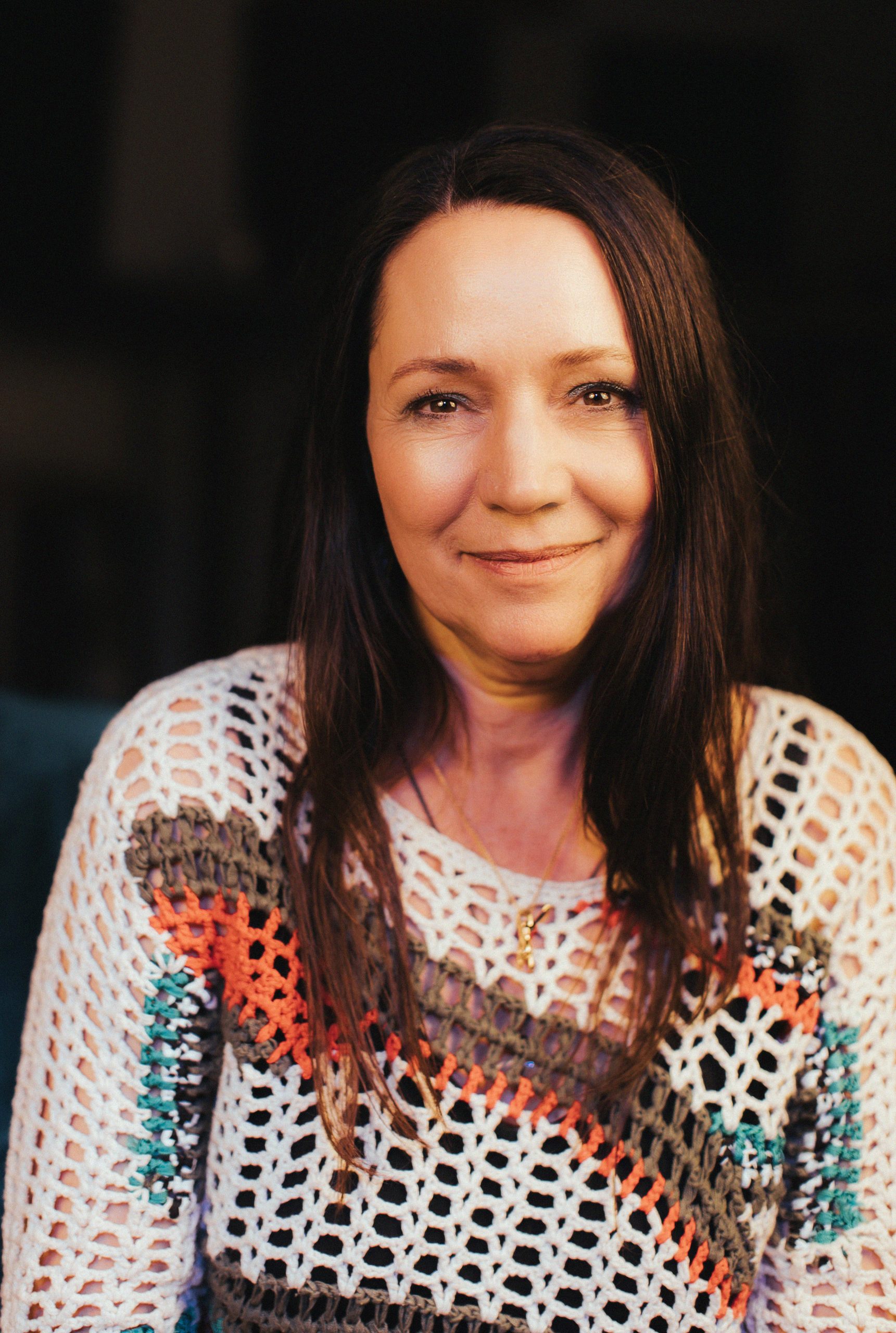
I woke up on my 50th Birthday with the quiet knowledge that I needed to change my life.
Surrounded by cards and presents, breakfast being lovingly prepared by my family, I recognised consciously for the first time that I was carrying persistent low-level dissatisfaction. A feeling that scratched away at my stomach, an ever-present voice growling in my ear looking for attention.
I am not the first, nor will I be the last to have a significant Birthday epiphany. How and why does a person who has everything, well not everything exactly but you get the point, change their life? How do you explain to your family and friends that you are not content when on paper you have all you need? And how do you even decide what change might look like when you aren’t sure what it is you actually want? Something isn’t right, but you have no idea what will make things better. And there is a bellowing critic inside your head to remind you that if you are feeling even slightly resentful about your privileges you must be a terrible person. You have food on the table, a family, a job, a roof, friends – what more do you need?
Recognising you want to make a change is one thing, knowing what you want is an entirely different matter. I needed a framework, a way to help me work out what was really important to me. A way to forensically examine what was serving the real me and to find out who the real me was so that I could figure out what I really really wanted *cue Spice Girls* and ‘zagazig-ah’ into my new life.
I started experimenting with a tool I’d used in my work as a consultant, to help clients to create long-term visions. I had found that the organisations with the longest-term vision, such as a ten year plan, were better able to make decisions in the day to day. It almost felt as though, the longer the sight into the future, the better they were living, or at least working, in the now. I wondered what would happen if I applied this thinking to my personal circumstances and so the In Ten Years Time philosophy was born.
By spending time, in my imagination, with my future self, my ten years’ time self, I was able to take time to both imagine and predict what the future might be like. I challenged myself with questions about my health, about my earnings, the way I consume, about my mortality and the mortality of those close to me, and most importantly about how I spend my most precious commodity, my time. I wrote it down and then I simply allowed myself to do one tiny thing each day that aligned with that future.
The impact was instant.
Taking the time to think about what is likely to be important to me in ten years, and what I would like to look back during the next decade, it helped me prioritise. This sometimes meant I would schedule a 20 minute run, because ‘future me will really appreciate it’ – but guess what – I felt better after I had run immediately too! It helped me choose seeing my parents over taking a networking meeting. Most profound of all, it allowed me to understand that the thing I love most of all is writing songs. On my 50th Birthday, I was a songwriter who pushed the creative side of myself into a little box to be allowed out only when there was time – after I had finished my domestic chores or work. Now I am a songwriter, who takes a few minutes every day to write, play my guitar and to share my songs.
The most surprising thing about having a ten-year plan was the instant results. This vision is not a binding contract that I work towards each day as some sort of chore. It is a guiding light that inspires me and reminds me every day to invest a few minutes of my time doing the things that light me up. To me if feels like a wholesale change and it is true that I have reduced my working hours and my earnings accordingly, but in truth sometimes the change presents itself as just ten minutes of guitar practice, 4 lines of a lyric, a 7-minute workout, or a call to my parents, squeezed in around my responsibilities. How much we change and how quickly is a personal decision, but I am living proof that it is a darn site easier to do when you know what really makes you tick.
You can listen to Tricia’s podcast In Ten Years Time: how to live a creative life on all streaming services or via her website www.intenyearstime.com and you can join her for a live workshop to Create (or Update) Your Ten-Year Plan on 23rd March, 7.30pm GMT.